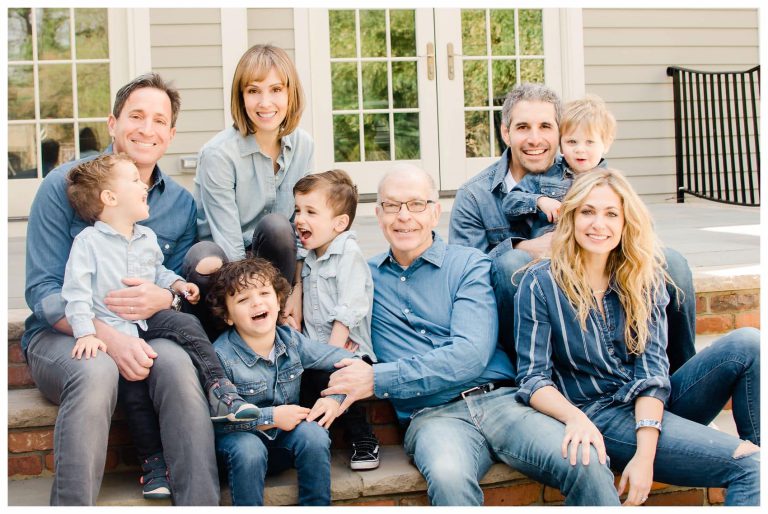
Keeping It In The Family

The expectation of families in the post-war households has been fairly consistent in the United States for decades. Young people move away from their families to follow a career path, find a partner, and have children. They establish their own households while their parents either remain in the home where they’ve raised their children or move to a 55+ community to enjoy retirement. Eventually, the grandparents may become incapable of living on their own and move to a senior residence that can provide for their medical and daily living needs. Everyone has their place, and all their respective needs are supplied. But are they?
Recently, we’ve noticed a trend toward generations sharing resources, and with good reason! First, the process of individualization and generational autonomy is extremely expensive. Finding an affordable house is a real struggle for young people; housing prices continue to rise, mortgages are expensive, and even with a dual income, it can be very difficult to save enough for a down-payment on a home while keeping up with the expenses of everyday life. If you add daycare expenses once children arrive, the prospect of owning a home may seem almost impossible. For older adults, age-restricted communities are very costly, and moving to an independent-living or assisted living residence can quickly deplete their lifesavings. Multi-generational households provide a great many benefits, making a home that suits the needs of all family members much more affordable, even allowing the family to enhance their lives by moving to a more upscale home or adding the desired amenities to an existing house.
A multi-generational home that's a new build is certainly one option, but using the home where some of the members already reside is often a less expensive solution. If the more than one home is owned by the adults in the family, revenue from the sale of one can be used to reimagine the other house to create the perfect residence for all generations of the household. Additions to the home can cater to the diverse needs of different family members, with ADA design in the portion of the home where the elders live, large kitchens that can be shared, or separate kitchens as needed, amenities such as game rooms and theater spaces that can be shared, play spaces for the children, and private entrances for every family group. Depending on the family dynamics, the changes to the original home can create a great deal of privacy for each generation along with spaces that are large enough to accommodate all. The adults can share the cost of the mortgage, taxes, heat, electricity, etc., significantly reducing the cost of living for all family members. Older adults can also provide childcare, if they're able, saving their adult children a great deal of money, Improving financial well-being reduces stress and allows for a feeling of financial comfort that is important for the mental health and welfare of everyone.
Repurposing an Existing Garage
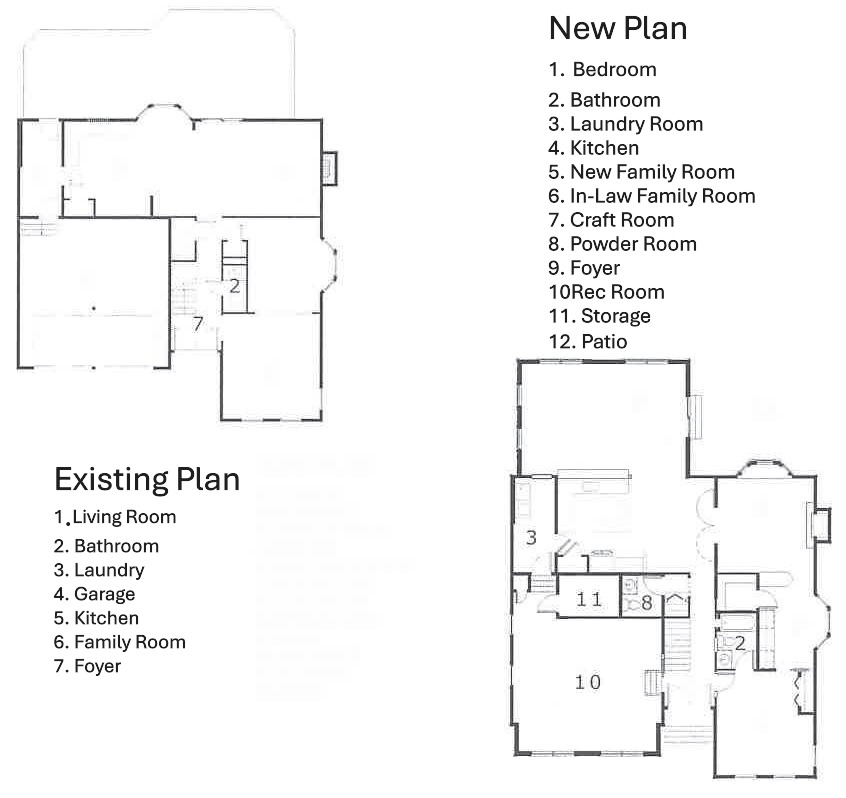
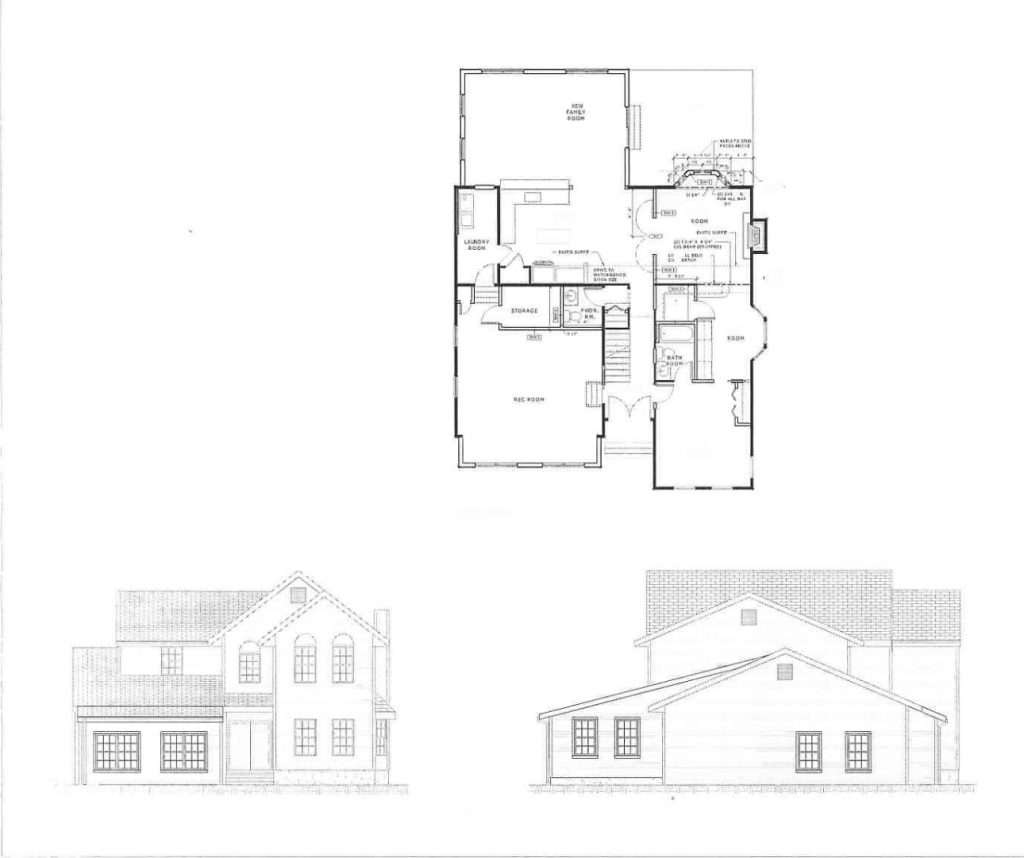
The project above involved creating an in-law suite on the first floor by reusing existing living areas as a bed chamber, bath, and craft room for a grandparent. The existing garage became a large recreation room for the children in the family, and a new family room was added off the kitchen, giving the whole family ample space to relax and entertain. The kitchen was redesigned to serve all three generations, allowing cooking and cleaning chores to be shared by all. Dining together became a wonderful way for each family member to share quality time with lively conversation and lots of laughter.
A similar project shown below also used the garage as to add room in order for an older parent to join the household. In this case, the garage renovated as an ADA compliant apartment that perfectly suited the needs of the granmother in the family.
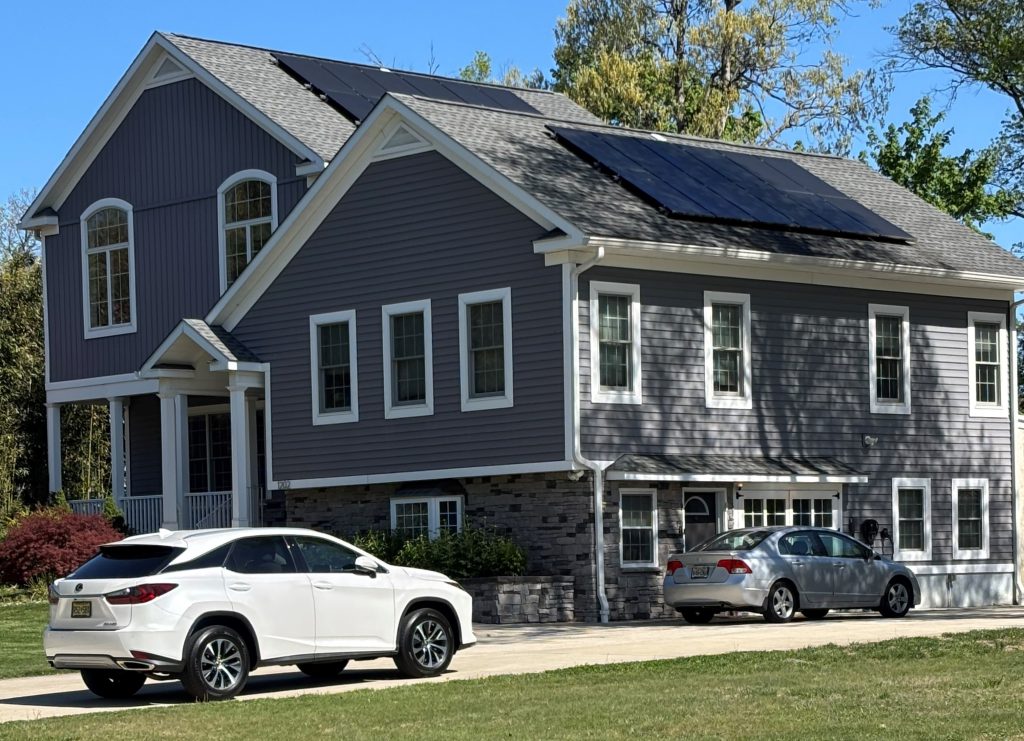
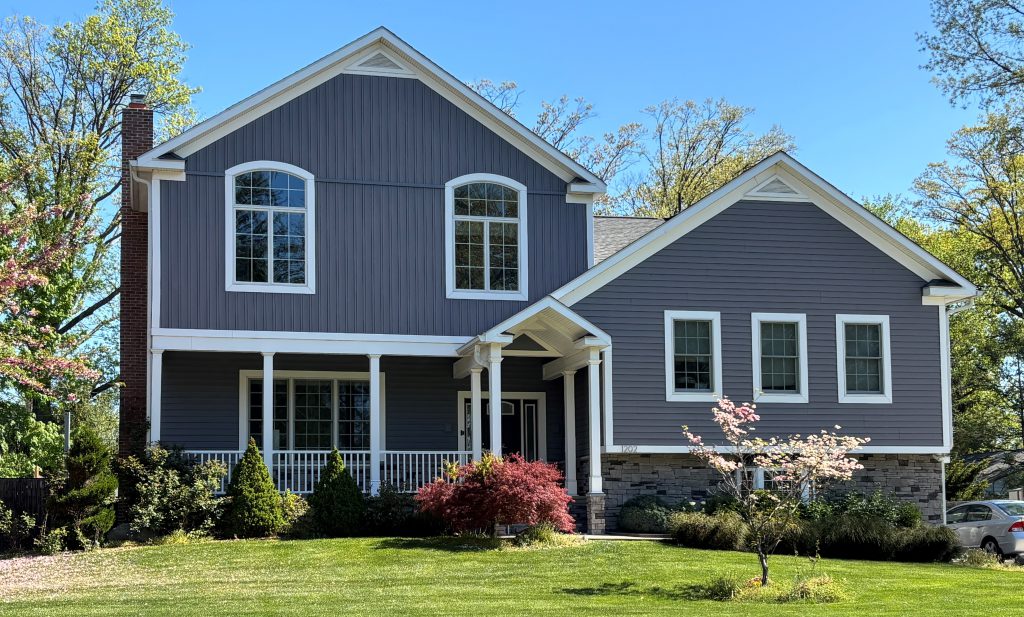
The in-law suite apartment addition to this house blends seamlessly with the original home. A separate entrance off the driveway allows for privacy and convenience.
A different approach was used to create a multi-generational home in the project below:
Adding an In-Law Suite:
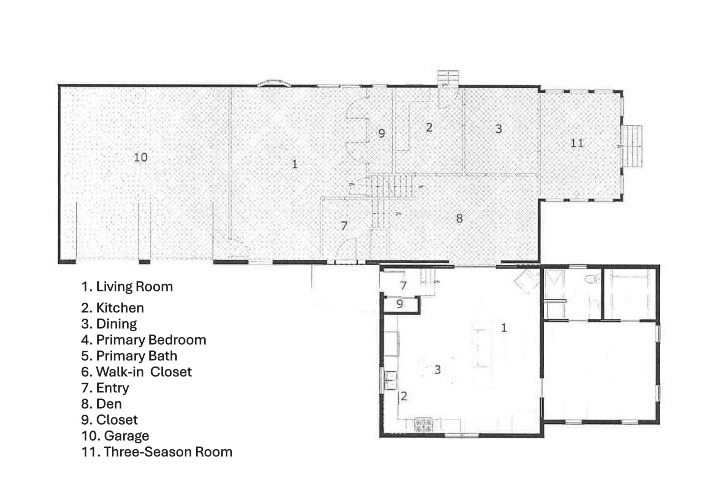
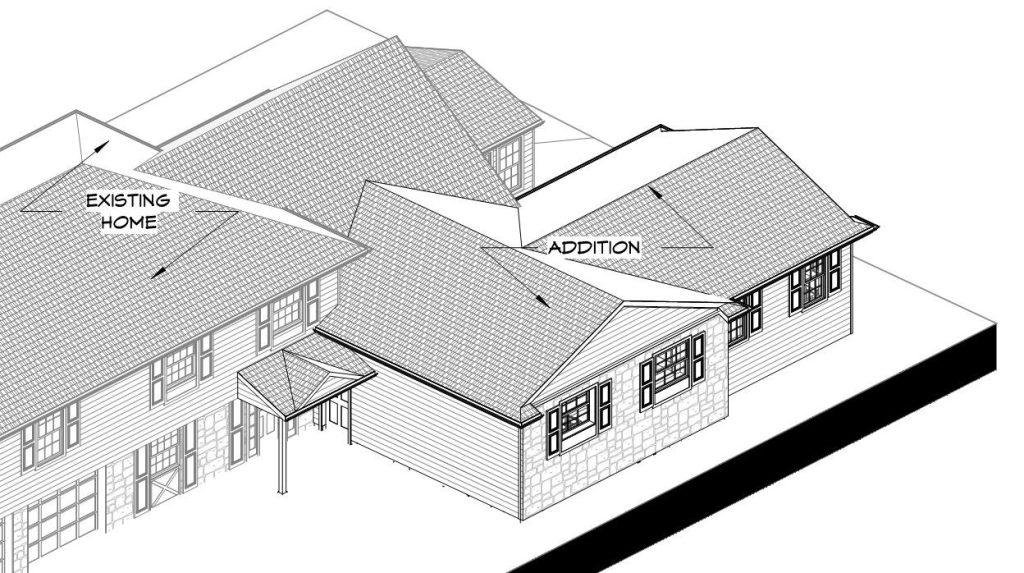
An in-law suite was added to the front of a house in the project below to allow for a living space for grandparents that found it physically and financially more sensible to sell their home and move to a shared home with their children and grandchildren. An addition to the front of the home, with a separate entrance, created their new living space. The addition included a primary bedroom with plenty of room for their California king size bed, an en-suite bath/laundry room, and a great room that housed a sizable and efficient kitchen, a generous dining space, and a living room large enough to entertain their friends. The remainder of the house was left unchanged. The windows, shutters, and siding matched the original house, and the stone removed during the renovation was reused as the base for the addition, creating continuity with the original home, along with a great deal of charm!
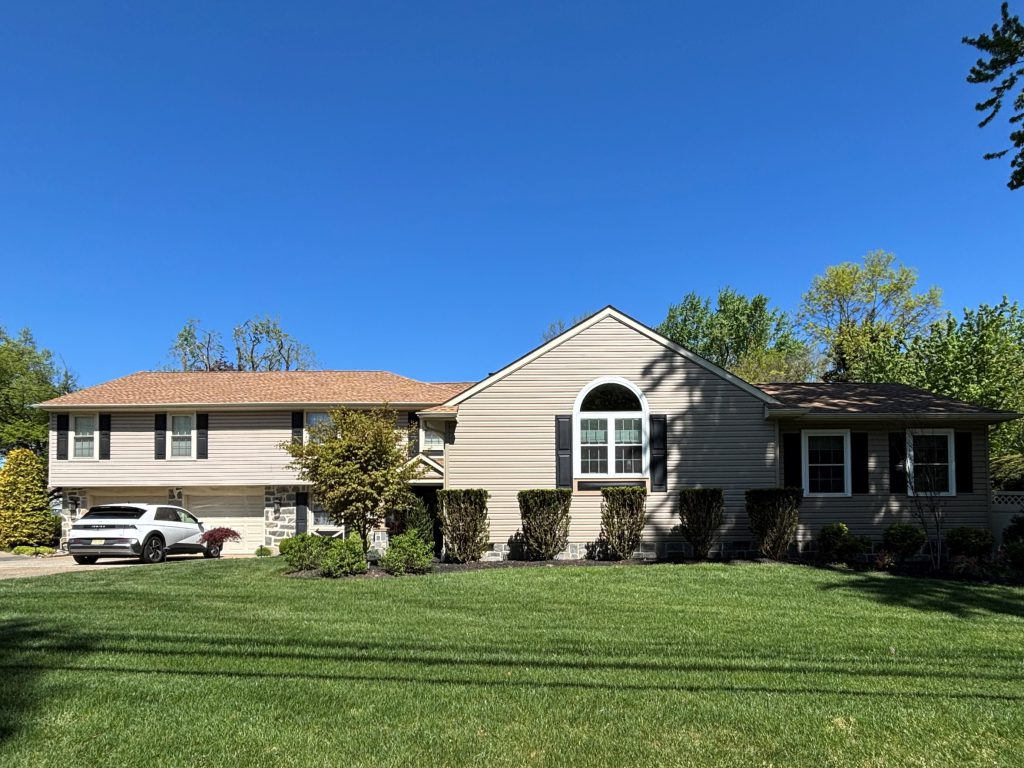
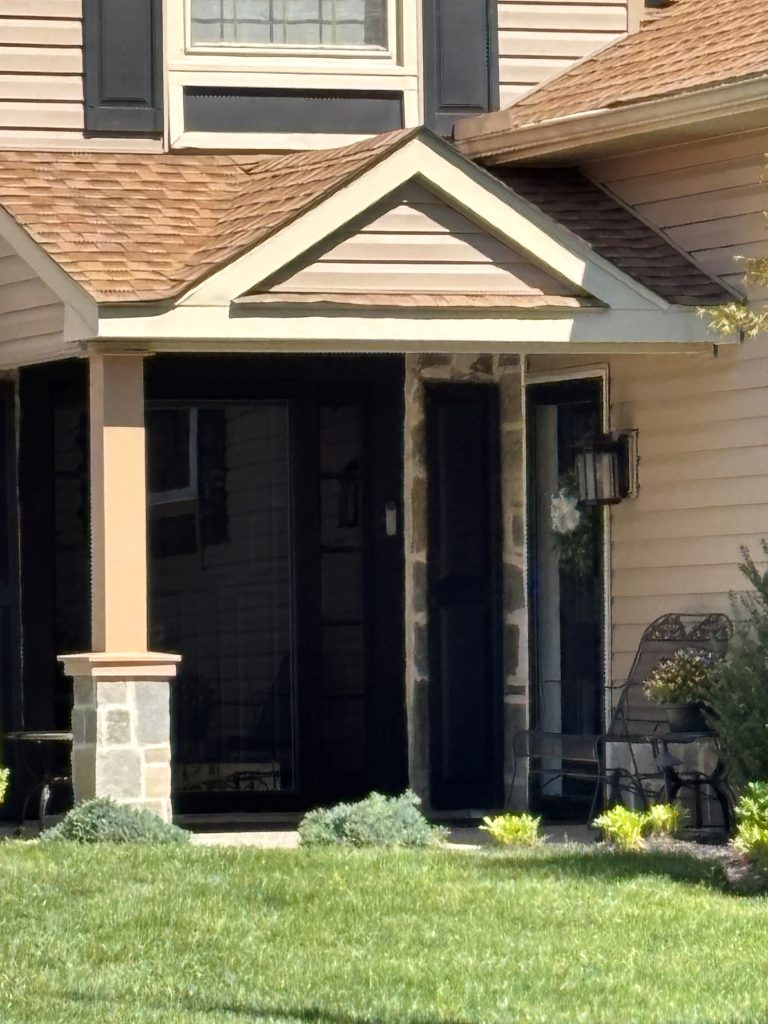
The original house was a typical development house until an in-law apartment addition gave the home not only space for the parents of the client to have a beautiful new home, but also created some much needed charm and curb-appeal.
As with the aforementioned projects above, separate entrances, this time under a common roof to protect all the occupants from inclement weather, gave all the residents of the home privacy to go about their separate lives when they wanted independence. The finished project provided peace of mind for both the elder couple and their adult children. The young children in the family benefitted by having grandparents within reach to help them with homework or play a board game on a rainy day.
Finances aside, there are many other factors that make multi-generation housing an attractive option today. Sharing a home can allow families many social and psychological advantages. Childcare can be shared; children can spend time with their grandparents while parents are pursuing their careers. Conversely, eldercare can also be shared, reducing not only the cost of care, but providing a sense of belonging and well-being to family members as they age. New parents have the advantage of having experienced parents ready to lend a hand, and school children can have homework help readily available, no more after school daycare! Older people feel included and useful, children feel loved and cared-for, and their parents are relieved that there are loving adults to care for the kids. Food expenses can be shared depending on the structure of the home, and family meals can become a delightful time to share the end of the day, reducing loneliness and enhancing intellectual experiences. The emotional support reduces the psychological stress of contemporary society and improves mental health for everyone.
There are, of course, challenges to sharing a multi-generational home; responsibilities and benefits must be balanced to make sure that no one in the family feels burdened. With the right home design, each generation will enjoy privacy and independence along with the benefits of shared spaces. It is imperative that clients seek out an architectural firm that will be sensitive to the needs of each member of the house, and aware of designing for transitions that may occur in the future as the family requirements change; the design should be fluid enough to allow for modifications as time passes, even to the point when a space is no longer needed for a generation as it moves on. A private apartment for an older couple may eventually morph into a home for an adult child or even into a home office as a new business takes root.
With intentional design and effective planning multi-generational homes can satisfy so many needs of contemporary families, improving the financial, physical, and emotional well-being of every family member.